Mon 5 Oct 2026 • Katie Bauer
Best Time to Visit Kenya for Safari: Late June to October

SHARE THIS POST
Kenya's long dry season runs from late June to October. Here is every month for weather, wildlife, crowds and prices, plus when the herds really arrive.
The best time to visit Kenya is late June to October: the long dry season, when days are dry and mild, wildlife gathers near water and the wildebeest migration reaches the Masai Mara. From June to September Nairobi gets less than 1.5 in (38 mm) of rain a month, with highs of 69 to 75F (21 to 24C) and nights near 50F (10C). The herds usually cross from Tanzania in July and stay through September.
Quieter: January and February, the second dry window, are warmer and far less busy in the Mara. Cheaper: April and May are the wettest months, with the lowest rates, and some camps close. Greener: November brings short showers, fresh grass and low season prices. There is no wrong month, just the version of Kenya that matches what you want. Here is every month side by side.

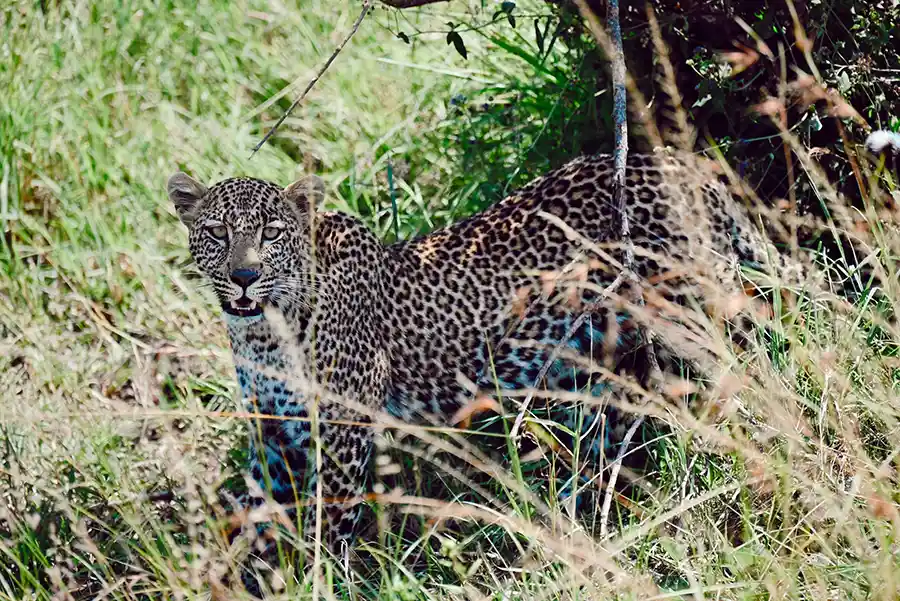
SYB Kenya: courtesy of guest Cezary Wojcik
Kenya month by month: the cheat sheet
Weather is the long-term average, shown as the usual overnight low to the usual daytime high in Fahrenheit. Rain is the monthly average in inches, with millimetres in brackets. Mara rain is a range, because the east of the reserve is far drier than the west. Wildlife notes are for the Masai Mara. The ratings (excellent, good, fair) are SafariBookings' monthly scores for wildlife viewing there.
January
Weather: Warm, mostly dry. Nairobi 53 to 76F, rain 2.5 in (64 mm). Mara 54 to 82F, rain 3.2 to 3.7 in (82 to 95 mm).
Wildlife: Rated good. Resident game and migrant birds.
Crowds and prices: Far quieter than August in the Mara. Reserve fee is $100 a day until June 30.
Good for: Dry-weather safari without the August crowd
February
Weather: Warm, mostly dry. Nairobi 53 to 78F, rain 2.2 in (57 mm). Mara 54 to 82F, rain 2.2 to 3.9 in (55 to 100 mm).
Wildlife: Rated good. Much like January.
Crowds and prices: Far quieter than August in the Mara.
Good for: Safari plus beach days with clear water
March
Weather: Rains start late in the month. Nairobi 56 to 78F, rain 3.7 in (93 mm). Mara 54 to 81F, rain 4.1 to 5.7 in (104 to 145 mm).
Wildlife: Rated fair. Harder once the rain sets in.
Crowds and prices: Shoulder season. Rates start to fall.
Good for: Deals, and diving before the rains
April
Weather: Wettest month. Nairobi 57 to 75F, rain 8.6 in (219 mm). Mara 55 to 79F, rain 4.8 to 8.3 in (123 to 210 mm).
Wildlife: Rated fair. Muddy tracks. Newborns and lots of birds.
Crowds and prices: Low season. Lowest rates, and some camps close.
Good for: Bargain hunters and green photos
May
Weather: Rain eases late in the month. Nairobi 56 to 73F, rain 7.0 in (177 mm). Mara 55 to 77F, rain 2.8 to 6.1 in (71 to 155 mm).
Wildlife: Rated good. Green and quiet.
Crowds and prices: Low season rates.
Good for: Value, if you can live with mud
June
Weather: Cool. Dry in Nairobi, showers still likely in the Mara. Nairobi 52 to 71F, rain 1.4 in (35 mm). Mara 54 to 77F, rain 1.3 to 3.7 in (33 to 95 mm).
Wildlife: Rated excellent. Resident game, grass still long. The herds are on their way north from Tanzania.
Crowds and prices: Under half the August crowd. Last month of the $100 reserve fee.
Good for: Cool days and fewer vehicles. This is when we go.
July
Weather: Coolest and driest month. Nairobi 50 to 69F, rain 0.7 in (18 mm). Mara 52 to 77F, rain 0.4 to 2.4 in (11 to 60 mm).
Wildlife: Rated excellent. The herds usually arrive: between July 6 and late July in every year from 2018 to 2025.
Crowds and prices: Peak season. Reserve fee doubles to $200 a day on July 1.
Good for: Dry weather and a fair shot at the first herds
August
Weather: Cool and dry, often grey in Nairobi. Nairobi 50 to 71F, rain 0.9 in (24 mm). Mara 52 to 77F, rain 1.0 to 3.1 in (25 to 80 mm).
Wildlife: Rated excellent. Peak migration. Best month, with September, for a Mara River crossing.
Crowds and prices: Busiest month. Peak rates.
Good for: The migration, if you accept the crowds
September
Weather: Warming up, mostly dry. Nairobi 51 to 75F, rain 1.1 in (28 mm). Mara 54 to 81F, rain 1.2 to 3.7 in (30 to 95 mm).
Wildlife: Rated excellent. Herds usually still here, crossings possible. In 2023 they left before the month ended.
Crowds and prices: Peak rates. About 30 to 40 percent fewer visitors than August.
Good for: The migration with more room
October
Weather: Warm. Showers return late in the month. Nairobi 55 to 76F, rain 2.2 in (55 mm). Mara 54 to 82F, rain 2.0 to 3.9 in (52 to 100 mm).
Wildlife: Rated excellent. Herds head back to Tanzania: gone by Oct 15 in 2024, some until Oct 30 in 2025.
Crowds and prices: Under half the August crowd.
Good for: Dry-season safari with room to breathe
November
Weather: Short rains peak, in short, heavy showers. Nairobi 56 to 74F, rain 6.1 in (154 mm). Mara 54 to 81F, rain 4.6 to 6.1 in (117 to 155 mm).
Wildlife: Rated fair. Migration gone. Green grass, newborns, migrant birds.
Crowds and prices: Low season. Lower rates, few visitors.
Good for: Green scenery, birders, value
December
Weather: Showers ease later in the month. Nairobi 55 to 74F, rain 4.0 in (101 mm). Mara 54 to 81F, rain about 4.5 in (115 mm).
Wildlife: Rated fair. Green, with birds and young animals.
Crowds and prices: Quiet early, then the Christmas and New Year peak.
Good for: Holiday trips and green landscapes
- For Celsius: 50F is 10C, 59F is 15C, 68F is 20C, 77F is 25C, 82F is 28C.
- Nights are cool in every month. Nairobi and the Mara both sit about a mile above sea level, so pack a warm layer for dawn game drives.
- The Mara never fully dries out. July is its driest month and still sees some rain, and the west of the reserve gets about twice the rain of the east.
- Migration dates are a pattern, not a schedule. The herds follow the rain, and the rain does not read calendars.
- Reserve fees are the 2026 rates for an adult visitor from overseas: $100 a day from January to June, $200 a day from July to December. Most tours build them into the price. Ours does.
Sources
- World Meteorological Organization, Nairobi: long-term monthly highs, lows, rain and wet days, supplied by the Kenya Meteorological Department. Season start and end dates come from the department's long rains outlook and short rains forecast.
- Kenya Wildlife Service: the weather pattern and the best time to visit its parks, and the Twin Migration in its Watamu brochure.
- Mara Conservancy, monthly reports: when the herds arrived and left each year, and visitor counts for the Mara Triangle.
- Rainfall trends and variation in the Maasai Mara ecosystem, PLOS ONE, 2018: 15 rain gauges, and why the east of the reserve is far drier than the west.
- University of Oxford, September 2025: the satellite count of 324,000 to 533,000 wildebeest.
- Climates to Travel, Kenya: temperatures and rain for the Masai Mara and Mombasa.
- climate-data.org, Talek: rain on the drier east side of the Mara.
- SafariBookings, Masai Mara: monthly wildlife ratings, high and low season, and camps that close.
- Lonely Planet, Best time to visit Kenya: low season prices early in the year and diving in March.
- Rough Guides, Best time to visit Kenya: the rainy seasons, March rates and the December peak.
- The Kenya Times, August 2026: Masai Mara reserve fees for 2026.
- PADI, diving in Kenya: whale sharks off Diani from November to April.
- The EastAfrican: humpback whales off the coast in July and August.
Where the sources disagree
- When the dry season starts. SafariBookings and Climates to Travel say June. Kenya Wildlife Service counts April to June as the long rains, and the main study of Mara rainfall puts the Mara's own dry season at July to October. "Late June" is the fair middle, and it is why the June card says showers are still likely in the Mara.
- The short rains. Kenya's weather service counts October to December. Rough Guides says November and early December. Nairobi's numbers back November as the peak.
- How wet the Mara is. Climates to Travel shows about 55 in (1,405 mm) a year. climate-data.org shows about 32 in (820 mm) at Talek. The 2018 study found about 26 in (650 mm) in the southeast and 51 in (1,300 mm) in the northwest. The cheat sheet shows the range.
- How long the herds stay. Guidebooks say July to October. The Mara Conservancy's reports show them leaving earlier in recent years: before the end of September in 2023 and by October 15 in 2024.
- How many animals. The long-quoted figure is 1.3 million wildebeest. A 2025 satellite count led by Oxford University found 324,000 to 533,000. This page says "hundreds of thousands", which is true either way.
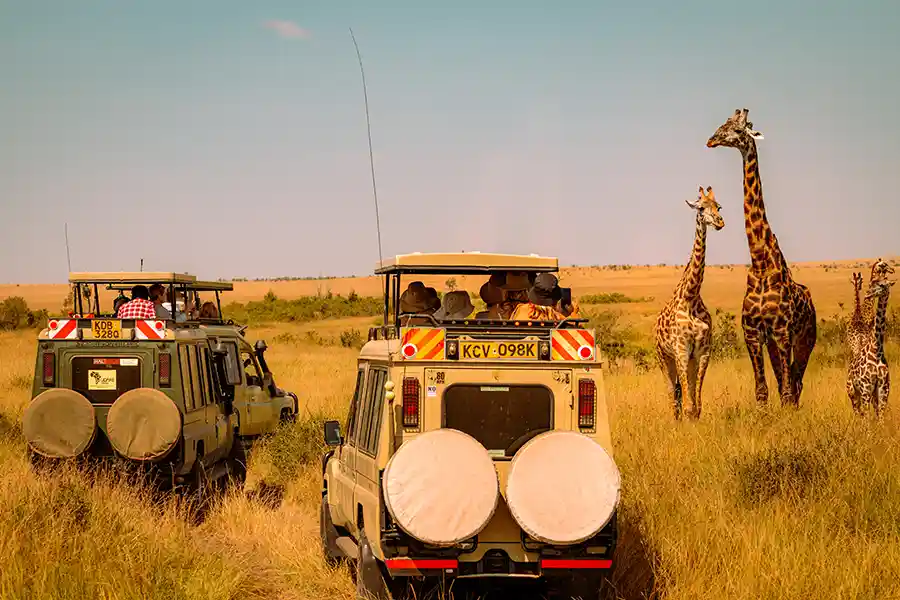
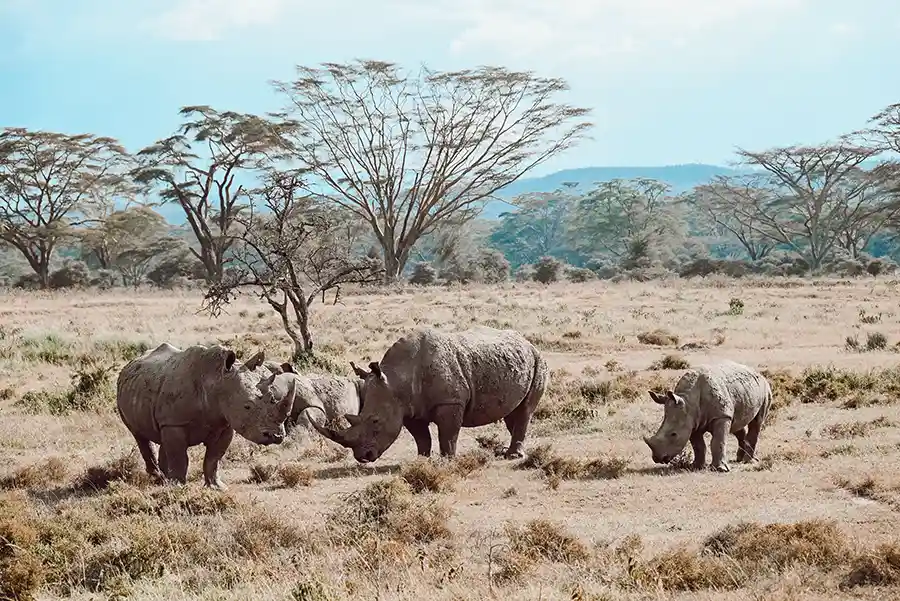
SYB Kenya: courtesy of guest Cezary Wojcik
Why the dry season wins
In the dry months the smaller waterholes dry up, so animals gather at the water that is left. The grass dies back too, so there is less for them to hide behind.
The Great Migration: when the herds actually arrive
Every year hundreds of thousands of wildebeest and zebra walk north out of Tanzania's Serengeti and into the Masai Mara, following the rain and the grass. The headline moment is the Mara River crossing, where they pile through water full of crocodiles. Most guides give the season as July to October. The Mara Conservancy, which manages the western part of the reserve, publishes a report every month. Here is when the main herds really showed up:
- 2018: between mid and late July.
- 2019: July 16. An early wave came in the first week of June and left again after heavy rain on June 7 and 8.
- 2020: July 16, in very large numbers. A few small groups came earlier.
- 2021: about July 20.
- 2022: July 8.
- 2023: about July 20. A thin year, and all gone before the end of September.
- 2024: mid-July. First river crossing in the west on July 20. Almost all gone by October 15.
- 2025: July 6. A few thousand stayed until October 30.
The herds come in from the southeast, so the eastern plains can see them days or weeks before the west does. Even so, the pattern is narrower than the brochures say. Mid-July to the end of September is the safe window, and August and September are the months to bet on for a river crossing. Crossings are wild and unscripted, so nobody can promise you a specific day.
The rainy seasons, and why they are not a write-off
Kenya has two. The long rains run from late March to May and peak in April, when Nairobi averages 8.6 in (219 mm) over about 16 wet days. In the Mara and on the coast they carry on into June. The short rains run from late October to December and peak in November, mostly as short, heavy showers. In both, the country turns green, prices drop and the vehicles thin out. The trade: muddy tracks, longer grass that hides animals, and some camps that close for part of the wet season. The wildlife stays put. The Mara's lions, elephants and giraffes live there all year.
The coast runs on a different calendar
Our trip does not go to the coast, so this part is for anyone adding beach days. Kenya's Indian Ocean coast is hot all year, with highs of 82 to 91F (28 to 33C) in Mombasa. The clearest water for snorkeling and diving is usually between October and March. April to June is the wet stretch, and May is the wettest month, with about 9.3 in (235 mm) of rain in Mombasa. Whale sharks can be seen off Diani between November and April. Humpback whales pass Watamu around July and August, at the same time the wildebeest are in the Mara. Kenya Wildlife Service calls it the Twin Migration.
Make the call
- Go mid-July to September if the migration is the whole reason you are going, you want the best odds of a river crossing, and you are fine with peak prices and company at every sighting.
- Go in January or February if you want dry weather and good game viewing without the August crowd, or you want beach days with clear water on the same trip.
- Go in late June or October if you want cool, mostly dry days and fewer vehicles, and you do not need the herds.
- Go in April, May or November if price matters most, you like green landscapes and empty tracks, and you can live with mud and a wet afternoon.


SYB Kenya: courtesy of guest Cezary Wojcik
When we go (and why those weeks)
We run our Kenya trip, Safari Stylin', in late June. The 2027 dates are June 18 to 24 and June 25 to July 1, from $4,250 per person for 6 nights: one night in Nairobi, two at Lake Naivasha and three in the Masai Mara. Each week is run by SYB leaders with local guides.
Why late June:
- The long rains are over in Nairobi, which averages 1.4 in (35 mm) of rain in June against 8.6 in (219 mm) in April.
- It is cool. Highs are about 71F (22C) in Nairobi and 77F (25C) in the Mara, and dawn game drives start in the low 50s F (11 to 12C). Bring a warm layer.
- The Mara is far less busy. June had less than half the overseas visitors of August in 2023, 2024 and 2025.
- Wildlife viewing in the Mara is rated excellent from June. The fair warning: the grass is still long after the rains, and showers are still common.
We go when the herd starts to come. Late June is when the wildebeest start heading north toward the Mara, and the lions, elephants and giraffes live there all year, so there is plenty to see while the season builds.
The sunrise hot air balloon over the Mara is optional and not in the trip price. You can add it when you book, at checkout on our website.
The part you cannot plan around: most people show up solo and leave with a group chat that is still going off long after the dust settles.
See dates and open spots on the Kenya page, or every trip on the calendar.
Common Questions
What is the best month to visit Kenya?
August is the safest single pick: it is dry and mild, and it is the month the wildebeest herds are most reliably in the Masai Mara. It is also the busiest month. For dry weather with fewer vehicles, go in September or October, or in late June before the herds and the crowds arrive.
When is the Great Migration in the Masai Mara?
The herds usually cross from Tanzania into the Masai Mara in July and stay through September. In every year from 2018 to 2025 the main herds arrived between July 6 and late July, and in 2023 and 2024 nearly all had left by mid-October. River crossings are most likely in August and September and can never be promised for a set day.
When is the rainy season in Kenya?
Kenya has two. The long rains run from late March to May, peak in April (Nairobi averages 8.6 inches, or 219 mm) and carry on into June in the Masai Mara and on the coast. The short rains run from late October to December and peak in November, mostly as short, heavy showers.
When is the cheapest time to go on safari in Kenya?
April and May, during the long rains, when lodges drop to low season rates and some camps close. November is the other value month. The Masai Mara reserve also halves its own entry fee from January to June: $100 a day for an adult visitor from overseas, against $200 from July to December (2026 rates).
Keep Reading
The Kenya safari trip · Kenya safari for solo travelers · Best time to visit Egypt · Best time to visit Morocco · Every trip and date